


As U.S. tariffs continue to reshape global trade in 2025, Canadian business owners are feeling the impact — some more than others. While the headlines often focus on politics, the real effects are showing up in everyday operations: tighter margins, delayed shipments, shifting customer demand, and increasingly complex supply chains.
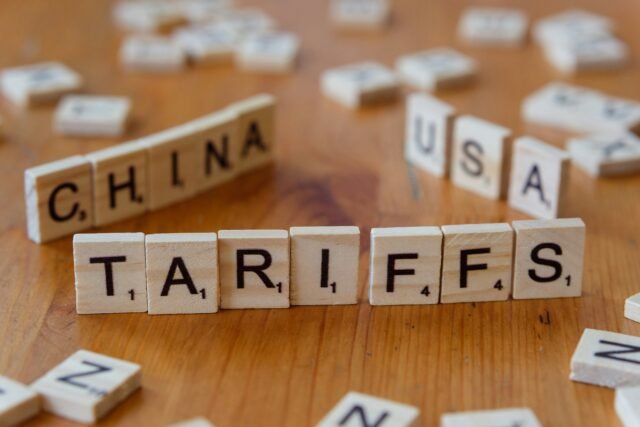
Whether you’re planning to buy, sell, or grow a business, understanding how tariffs are hitting specific industries is crucial. The impact isn’t uniform — and knowing where the pressure (or opportunity) lies can help you move strategically.
Here’s a breakdown of which Canadian industries are being hit hardest by U.S. tariffs — and what that means for current and future business owners.
-
Manufacturing: The Bullseye Industry
Why It’s Affected:
From steel and aluminum to auto parts and machinery, Canadian manufacturers are squarely in the tariff crosshairs. Many rely on raw materials imported from or exported to the U.S., making them highly sensitive to even minor trade policy changes.
What It Means:
Manufacturers are seeing squeezed margins, renegotiated contracts, and in some cases, lost business. But with the right strategy — such as local sourcing, automation, or shifting to non-U.S. markets — some are weathering the storm and even gaining ground as competitors falter.
Opportunity:
If you’re considering buying a manufacturing business, this sector may offer distressed valuations or succession opportunities where owners are ready to exit under pressure.
-
Agriculture & Food Processing
Why It’s Affected:
Canadian agriculture, particularly dairy, meat, grains, and produce, often relies on U.S. buyers — and tariffs can lead to sudden overstock, pricing instability, and market uncertainty.
What It Means:
Farmers and processors are facing unpredictability in demand and increased costs on farm equipment and inputs. Many are lobbying for more domestic trade support and exploring markets beyond North America.
Opportunity:
Entrepreneurs with access to logistics, export expertise, or direct-to-consumer models may find ways to innovate in a disrupted industry. Strategic acquisitions in this space may pay off over time.
-
Automotive & Transportation
Why It’s Affected:
With an integrated supply chain that crosses the border multiple times during production, Canada’s auto sector is uniquely exposed to U.S. trade policy. One part under tariff pressure can ripple through the entire production process.
What It Means:
Uncertainty is causing delays in investment and hiring, and some operations are being consolidated or relocated. Owners in this space may be more open to acquisition or restructuring.
Opportunity:
There may be room to acquire businesses that specialize in niche components, alternative transport, or EV tech that have diversified away from traditional U.S.-reliant models.
-
Technology & Electronics
Why It’s Affected:
Tariffs on semiconductors and hardware components are pushing up prices for Canadian tech manufacturers and integrators who depend on U.S. or Asian parts. Additionally, export restrictions can limit access to U.S. clients.
What It Means:
Tech firms with global supply chains are having to pivot — quickly. Those that rely heavily on U.S. hardware may need to invest in alternatives or rework pricing models.
Opportunity:
Tech businesses that have built resilient sourcing or serve non-U.S. markets may be undervalued but positioned for growth. A smart acquisition here could mean future-proofing your portfolio.
-
Retail and Consumer Goods
Why It’s Affected:
Retailers often deal with increased costs on imported goods, whether due to tariffs or broader supply chain disruption. This affects pricing, inventory planning, and overall competitiveness.
What It Means:
Margins are tightening, and retailers are making tough decisions about product lines, pricing, and vendor relationships. Smaller retailers may struggle to keep up — making them acquisition targets.
Opportunity:
Businesses that have optimized logistics or built strong Canadian supply chains may emerge stronger. There’s room to consolidate and scale with the right buying strategy.
Navigating the Tariff Terrain: Key Takeaways for Business Owners
Tariffs aren’t just headlines — they reshape competitive advantage. As a business owner or investor, you need to:
- Track the pressure points in your industry and region
- Evaluate how dependent your revenue is on U.S. trade
- Monitor suppliers, contracts, and contingency plans
- Think long-term: volatility may lower valuations now, but strong fundamentals still win over time
What This Means for M&A and Business Strategy in 2025
For owners preparing to sell, now is the time to optimize operations and document how the business is managing trade impacts — transparency builds buyer confidence. For buyers, trade turbulence might just be the opening you’ve been waiting for.
Working with an M&A advisor like Robbinex can help you identify whether an industry is truly at risk — or merely in transition. Some of the best deals emerge not in stability, but in the space where uncertainty meets opportunity.
Final Thought: Trade Tensions Can Cloud the Sky — But Also Reveal the Landscape
Not all industries are equally exposed, and not all exposure is negative. The key is knowing how to read the map, spot the shifts, and move decisively.
Whether you’re looking to scale, acquire, or prepare your own business for sale, understanding which Canadian sectors are most affected by U.S. tariffs gives you the foresight to act wisely — and turn today’s challenges into tomorrow’s growth.

