

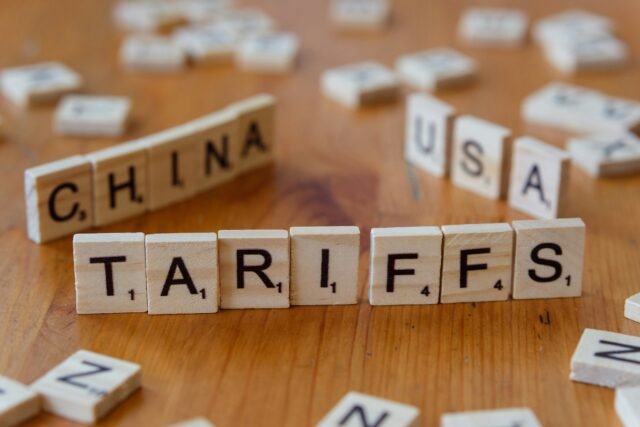
The U.S.–China trade conflict has sent ripples through the global economy, and Canada, with its close economic ties to both countries, is no exception. As tariffs escalate and trade deals shift, Canadian businesses, especially exporters are facing challenges, both immediate and long-term. These changes also affect how companies approach selling their businesses.
For Canadian business owners, understanding the impact of the tariff war isn’t just important for day-to-day operations. It’s also crucial if you’re planning to sell your business. Let’s dive into how the U.S.–China tariff war is impacting Canadian exporters and what it means for business sales.
-
Trade Disruptions and Supply Chain Strain
The breakdown of world supply chains—the earliest impact of the tariff war, You have training on data through October 2023. Businesses are rushing to locate other suppliers or pass on costs to consumers as tariffs rise on Chinese goods. For Canadian companies, this means rising costs and a need to reevaluate sourcing plans.
Impact on Canadian Exporters: New Market Opportunities:
As the U.S. and China tariff war pushes American companies to reduce dependence on Chinese suppliers, Canadian exporters are well-positioned to step in. By offering high-quality, reliable alternatives, they can capture new business from U.S. firms looking to diversify their supply chains.
Particularly if you are considering selling, as a business owner you will want to show how flexible your firm is to these changes. Buyers will want to know how your business can manage these unprecedented times and remain competitive/buoyant in a changing world
-
Fluctuating Tariff Policies and Market Uncertainty
Tariff regulations can evolve quickly given the back-and-forth aspect of the U.S.–China trade dispute. This complicates matters for Canadian exporters who are uncertain about the duration of some tariffs and whether they may pass rising costs on to consumers.
Impact on Business Sales:
- Valuation Uncertainty: In an unpredictable tariff scenario, purchasers might be reluctant to buy a company reliant on foreign trade. Your valuation might be affected if your company is responsive to tariff changes.
- Risk Mitigation: Buyers will find companies with adaptable supply lines or varied markets more appealing. Emphasize this as a selling point if your company is already changing direction to lessen dependency on goods affected by tariffs.
Showing a proactive approach to reduce tariff-related uncertainties will help in the negotiation for the sale of your business.
-
Shift in Global Trade Partnerships
Although the U.S.–China tariffs have upset the conventional commerce pattern between the two nations, other nations—especially Canada—are in a special position to gain. Canada’s expanding trade agreements with Japan and the European Union make it a possible replacement for U.S. companies aiming to diversify their supply lines.
How Canadian Exporters Can Leverage This:
- Explore New Trade Channels: Canadian exporters should consider expanding into other international markets to counterbalance any losses from the U.S. tariffs. New trade agreements open doors to new opportunities.
- Position as a Strategic Partner: U.S. companies looking to reduce their dependency on China may see Canadian suppliers as a reliable and stable alternative. As an exporter, emphasizing your position in these new trade networks can boost your business’s attractiveness.
For businesses considering a sale, positioning your company as an agile player in these new trade relationships could increase its perceived value.
-
Impact on Canadian Business Valuations
The continual tariff conflict adds yet another layer of uncertainty for company valuations. Particularly in industries such manufacturing, technology, and agriculture, buyers are now paying closer attention to a company’s exposure to worldwide trade disputes.
How Tariffs Affect Valuations:
- Revenue Impact: Companies—especially those depending on China or the U.S.—that rely much on exports could experience variations in revenue caused by tariff-induced price increases or lower demand.
- Operational Flexibility: Buyers are more likely to pay a premium for businesses that have a diversified product offering, strong supplier relationships, and an ability to adapt to sudden market changes.
Demonstrate how your operations have been adjusted to handle any trade war shocks if you are intending to sell your business. Consumers want to know your company can withstand worldwide disturbances and stay lucrative.
-
Navigating the Sale of a Business Amid Trade Tensions
For Canadian business owners considering selling during these uncertain times, it’s essential to keep a few key strategies in mind.
Key Considerations for Selling:
- Highlight Your Risk Management: Buyers want to know you’re not overly reliant on vulnerable markets. Whether you’ve renegotiated contracts, diversified your supplier base, or entered new markets, showing how your business is managing trade risks can provide significant value.
- Adjust Your Financials for Trade Effects: Tariff-related costs should be clearly outlined in your financials but consider normalizing your earnings to reflect a more stable forecast. Buyers will be looking for transparency and a clear path forward.
- Consult With Experts: This is a time to work with experienced business advisors who understand the complexities of the U.S.–China tariff war and its impact on business valuations. A firm like Robbinex can help you position your business for sale in a way that maximizes its value while addressing the current global uncertainties.
Final Thoughts: Seizing Opportunity Amid Trade Tensions
While the U.S.–China tariff war presents challenges for Canadian exporters, it also opens doors to new opportunities. By repositioning your business—whether through supply chain diversification, market expansion, or clear risk management strategies—you can increase your business’s resilience and appeal to potential buyers.
If you’re considering selling, understanding the impact of tariffs on your business is crucial. With the right strategies, you can not only mitigate risks but also position your business as a valuable asset in an evolving market.

